Luxury Home Inspections in NYC: What to Expect
When it comes to purchasing a luxury home in New York City, the stakes are high. With prices often reaching into the millions, ensuring that your investment is sound is crucial. This is where luxury home inspections come into play. Understanding what to expect during this process can save you from costly surprises down the line.
What is a Luxury Home Inspection?
A luxury home inspection is a thorough examination of a high-end property, focusing on its condition, safety, and overall quality. Unlike standard home inspections, luxury inspections often delve deeper into the unique features and systems of upscale homes. This includes:
Structural integrity: Assessing the foundation, roof, and walls.
Systems evaluation: Checking HVAC, plumbing, and electrical systems.
Luxury features: Inspecting pools, spas, and high-end appliances.
Aesthetic elements: Evaluating finishes, materials, and overall design.
Why is a Luxury Home Inspection Important?
Investing in a luxury property is not just about the price tag; it’s about the value and condition of the home. A luxury home inspection provides:
Peace of mind: Knowing the property is in good condition.
Negotiation leverage: Identifying issues that may warrant a price reduction.
Future planning: Understanding potential maintenance and repair needs.
What to Expect During the Inspection
The Inspection Process
A luxury home inspection typically lasts several hours, depending on the size and complexity of the property. Here’s what you can expect:
Initial Walkthrough: The inspector will conduct a preliminary walkthrough to identify any obvious issues.
Detailed Examination: Each area of the home will be inspected, including:
Exterior: Roof, siding, windows, and landscaping.
Interior: Rooms, bathrooms, kitchens, and basements.
Systems: HVAC, plumbing, and electrical systems.
Documentation: The inspector will take notes and photographs to document findings.
Key Areas of Focus
During the inspection, several key areas will be scrutinized:
Foundation and Structure: Inspectors look for cracks, settling, and other structural issues.
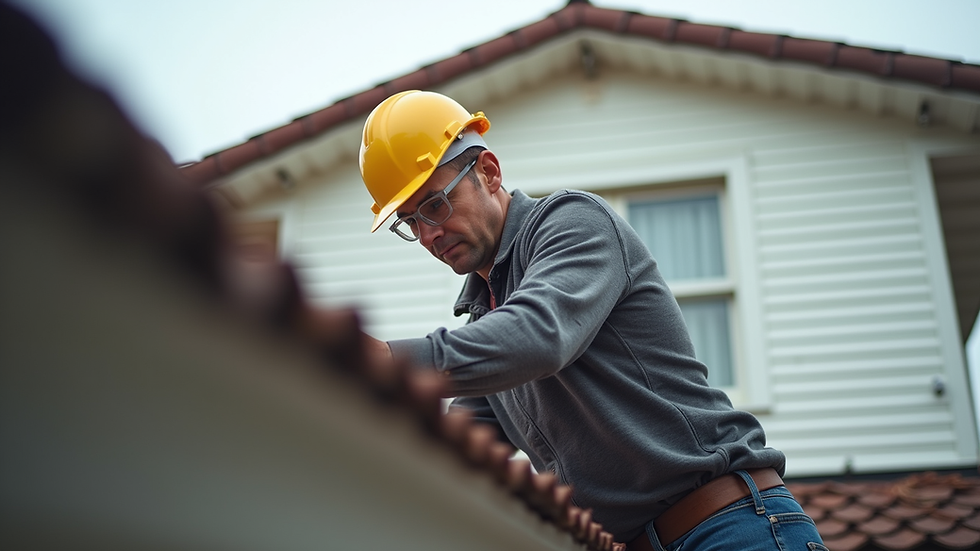
Roofing: The condition of shingles, flashing, and drainage systems is assessed.
Plumbing: Inspectors check for leaks, water pressure, and the condition of pipes.
Electrical Systems: Wiring, outlets, and circuit breakers are evaluated for safety and functionality.
HVAC Systems: The heating and cooling systems are tested for efficiency and performance.
Luxury Features
Luxury homes often come with unique features that require specialized inspection:
Pools and Spas: Inspectors check for leaks, equipment functionality, and safety features.
Smart Home Systems: Technology integration is evaluated for functionality and security.
High-End Appliances: Inspectors assess the condition and operation of luxury kitchen and laundry appliances.

Choosing the Right Inspector
Selecting a qualified inspector is crucial for a successful luxury home inspection. Here are some tips:
Experience: Look for inspectors with experience in luxury properties.
Certifications: Ensure they have relevant certifications and licenses.
References: Ask for references from previous clients to gauge their reputation.
Questions to Ask
When interviewing potential inspectors, consider asking:
How many luxury home inspections have you conducted?
What specific areas do you focus on during the inspection?
Can you provide a sample report from a previous inspection?
Understanding the Inspection Report
After the inspection, you will receive a detailed report outlining the findings. This report typically includes:
Summary of Findings: A brief overview of the property’s condition.
Detailed Observations: Specific issues identified during the inspection.
Recommendations: Suggested repairs or further evaluations by specialists.
Interpreting the Findings
Understanding the inspection report is key to making informed decisions:
Minor Issues: These may not significantly impact the value of the home.
Major Concerns: Serious issues may require immediate attention and could affect your purchase decision.
Negotiation Points: Use the findings to negotiate repairs or price adjustments with the seller.
Common Issues Found in Luxury Homes
Even luxury homes can have hidden problems. Some common issues include:
Water Damage: Often found in basements or around windows.
Electrical Problems: Outdated wiring or insufficient outlets.
HVAC Issues: Inefficient systems that may need replacement.
Roofing Concerns: Missing shingles or poor drainage.
Addressing Issues
If the inspection reveals significant problems, consider the following steps:
Get Estimates: Obtain repair estimates from qualified contractors.
Negotiate: Use the findings to negotiate repairs or price reductions with the seller.
Walk Away: If the issues are too severe, it may be best to reconsider the purchase.
The Cost of Luxury Home Inspections
The cost of a luxury home inspection can vary based on several factors:
Property Size: Larger homes typically cost more to inspect.
Location: Inspections in high-demand areas may be more expensive.
Special Features: Homes with unique features may require specialized inspections.
Average Costs
On average, luxury home inspections can range from $500 to $1,500 or more. It’s essential to view this cost as an investment in your future home.
Conclusion
A luxury home inspection is a vital step in the home-buying process, especially in a competitive market like New York City. By understanding what to expect, you can make informed decisions and protect your investment. Remember to choose a qualified inspector, carefully review the findings, and use the information to negotiate effectively.
Investing in a luxury home is a significant commitment, and a thorough inspection can provide the peace of mind you need to move forward confidently. If you're ready to take the next step in your luxury home journey, consider scheduling an inspection today.

Comments