Protecting Your Investment: The Importance of Home Inspections
When purchasing a home, the excitement can often overshadow the practical considerations. However, one crucial step that should never be overlooked is the home inspection. A thorough inspection can save you from unexpected repairs and financial burdens down the line. In this post, we will explore the significance of home inspections, what they entail, and how they can protect your investment.
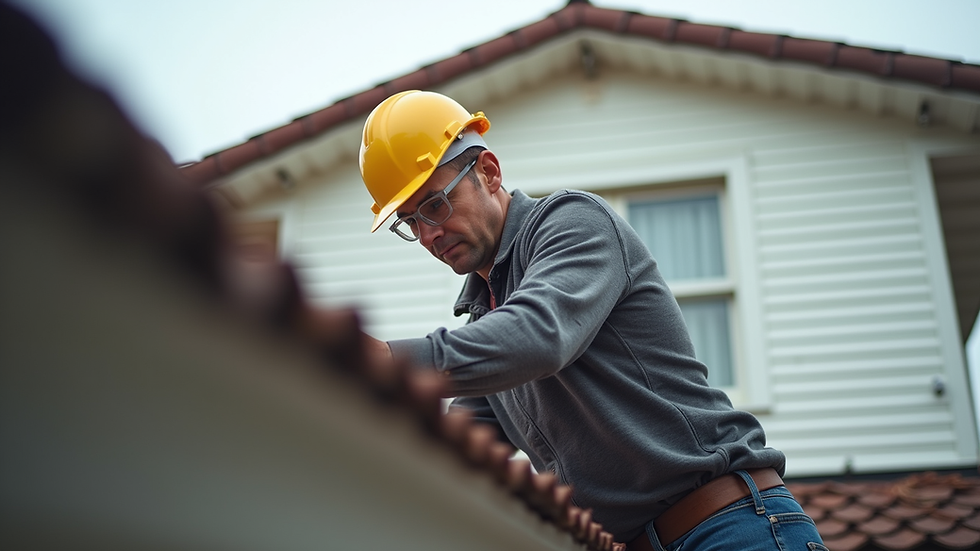
Understanding Home Inspections
A home inspection is a comprehensive evaluation of a property's condition, typically conducted by a qualified inspector. This process involves a detailed examination of various components of the home, including:
Structural elements: Foundation, walls, and roof
Systems: Plumbing, electrical, and HVAC
Interior: Windows, doors, and insulation
Exterior: Siding, gutters, and landscaping
The goal of a home inspection is to identify any existing or potential issues that could affect the property's value or safety.
Why Are Home Inspections Important?
Uncover Hidden Problems
Many issues within a home are not visible to the untrained eye. A professional inspector can identify problems such as mold, pest infestations, or structural damage that may not be apparent during a casual walkthrough.
Negotiate Repairs or Price Adjustments
If the inspection reveals significant issues, you can negotiate with the seller for repairs or a reduction in the purchase price. This can save you thousands of dollars in unexpected expenses after the sale.
Peace of Mind
Knowing that your potential new home has been thoroughly inspected can provide peace of mind. You can move forward with your purchase, confident that you are making a sound investment.
Future Planning
A home inspection report can serve as a valuable tool for future planning. It can help you prioritize repairs and maintenance, ensuring that your home remains in good condition for years to come.
What to Expect During a Home Inspection
Understanding the home inspection process can help you prepare and make the most of it. Here’s what to expect:
The Inspector's Role
A qualified home inspector will conduct a visual examination of the property. They will look for issues that could affect the safety, functionality, or value of the home. The inspection typically takes 2 to 4 hours, depending on the size and condition of the property.
The Inspection Report
After the inspection, the inspector will provide a detailed report outlining their findings. This report will include:
A summary of the property's condition
Photos of any issues found
Recommendations for repairs or further evaluations
Common Issues Found in Home Inspections
Some common issues that inspectors often find include:
Roof damage: Missing shingles, leaks, or structural issues
Plumbing problems: Leaks, outdated pipes, or water pressure issues
Electrical concerns: Outdated wiring, insufficient outlets, or safety hazards
HVAC issues: Inefficient systems, lack of maintenance, or age-related problems
Choosing the Right Home Inspector
Selecting a qualified home inspector is crucial for a successful inspection. Here are some tips for finding the right professional:
Check Qualifications
Ensure the inspector is licensed and certified. Look for memberships in professional organizations, such as the American Society of Home Inspectors (ASHI).
Read Reviews
Look for reviews and testimonials from previous clients. This can give you insight into the inspector's reliability and thoroughness.
Ask Questions
Don’t hesitate to ask potential inspectors about their experience, inspection process, and what you can expect from the report.
Get a Sample Report
Request a sample inspection report to understand how detailed and clear their findings will be.
The Cost of Home Inspections
The cost of a home inspection can vary based on several factors, including the size of the home, its location, and the inspector's experience. On average, you can expect to pay between $300 and $500 for a standard inspection. While this may seem like an added expense, it is a small price to pay compared to the potential costs of undiscovered issues.
The Role of Home Inspections in Real Estate Transactions
Home inspections play a critical role in real estate transactions. They can influence negotiations and the overall buying process. Here’s how:
For Buyers
Leverage for Negotiation: Use the inspection report to negotiate repairs or price adjustments with the seller.
Informed Decision-Making: An inspection can help you decide whether to proceed with the purchase or walk away if significant issues are found.
For Sellers
Pre-Listing Inspections: Sellers can opt for a pre-listing inspection to identify and address issues before putting their home on the market. This can lead to a smoother transaction and potentially higher offers.
Transparency: Providing a recent inspection report can build trust with potential buyers, showcasing that you are upfront about the property's condition.
Conclusion
In the journey of homeownership, a home inspection is an essential step that should never be overlooked. It serves as a protective measure, ensuring that your investment is sound and free from hidden issues. By understanding the importance of home inspections, you can make informed decisions and safeguard your financial future.
As you embark on your home-buying journey, remember to prioritize a thorough inspection. It may be the difference between a dream home and a financial nightmare. Take the time to find a qualified inspector, and don’t hesitate to ask questions. Your future self will thank you for it.


Comments